Why Menopausal Skin Changes — And How to Care for It Naturally
Understanding the hormonal changes behind dry, dull and sensitive skin during menopause.
In This Guide
✓ Why menopause changes your skin
✓ Common skin changes
✓ Why your old routine stops working
✓ Five ways to support menopausal skin naturally
✓ Lifestyle habits
✓ Morning routine
✓ Evening routine
✓ Botanical ritual
✓ Frequently Asked Questions
Introduction
If you've noticed your skin suddenly becoming drier, thinner or more sensitive in your 40s and 50s, you're not imagining it. Many women find that the skincare routine they've relied on for years no longer delivers the same results.
These changes are a natural part of menopause. As oestrogen levels begin to decline, your skin produces less collagen, fewer natural oils and retains less moisture. Over time, this can leave skin feeling tight, dehydrated and more prone to fine lines and irritation.
The good news is that while hormonal changes can't be stopped, your skincare routine can be adapted to support your skin through this stage of life. By focusing on hydration, barrier repair and nourishing botanical ingredients, you can help your skin feel healthier, more comfortable and radiant again.
In this guide, we'll explain why menopausal skin changes, what happens beneath the surface, and the simple daily habits that can help restore moisture and support healthy-looking skin naturally.
Why Does Menopause Affect Your Skin?
Menopause marks a significant hormonal transition. One of the biggest changes is the decline in oestrogen, a hormone that plays an important role in maintaining healthy skin.
Oestrogen helps support:
Collagen production
Natural oil production
Skin thickness
Moisture retention
Elasticity
Wound healing
As these hormone levels decrease, the skin gradually becomes thinner, drier and less resilient. Many women notice these changes beginning during perimenopause, even before menopause is complete.

Common Skin Changes During Menopause
Every woman experiences menopause differently, but many notice one or more of the following:
Dryness and dehydration
Skin produces less sebum, making it harder to lock in moisture.
Loss of firmness
Reduced collagen can contribute to skin that feels thinner and less elastic.
Increased sensitivity
The skin barrier may become weaker, making skin more reactive to harsh cleansers, fragrances and environmental stress.
Fine lines become more noticeable
Dehydrated skin often exaggerates the appearance of wrinkles.
Dull complexion
Slower cell turnover can leave skin looking tired and lacking radiance.
Why Your Old Skincare Routine May No Longer Work
Many cleansers and lightweight moisturisers that worked beautifully in your 30s simply aren't rich enough to support menopausal skin.
Foaming cleansers can strip away the little natural oil your skin is still producing, while moisturisers that focus only on hydration without replenishing lipids may not provide lasting comfort.
Instead, mature skin benefits from products that gently cleanse without disrupting the skin barrier and provide long-lasting nourishment through botanical oils, humectants and barrier-supporting ingredients.
How to Care for Menopausal Skin Naturally
Supporting menopausal skin doesn't have to mean using dozens of products. A simple routine built around gentle cleansing, hydration and nourishment can help improve comfort and maintain healthy-looking skin.
1. Cleanse Without Stripping the Skin
Many traditional foaming cleansers remove more than makeup and sunscreen—they can also strip away the skin's natural protective oils. During menopause, oil production naturally declines, making it even more important to protect your skin barrier and avoid cleansers that leave skin feeling tight or dry.
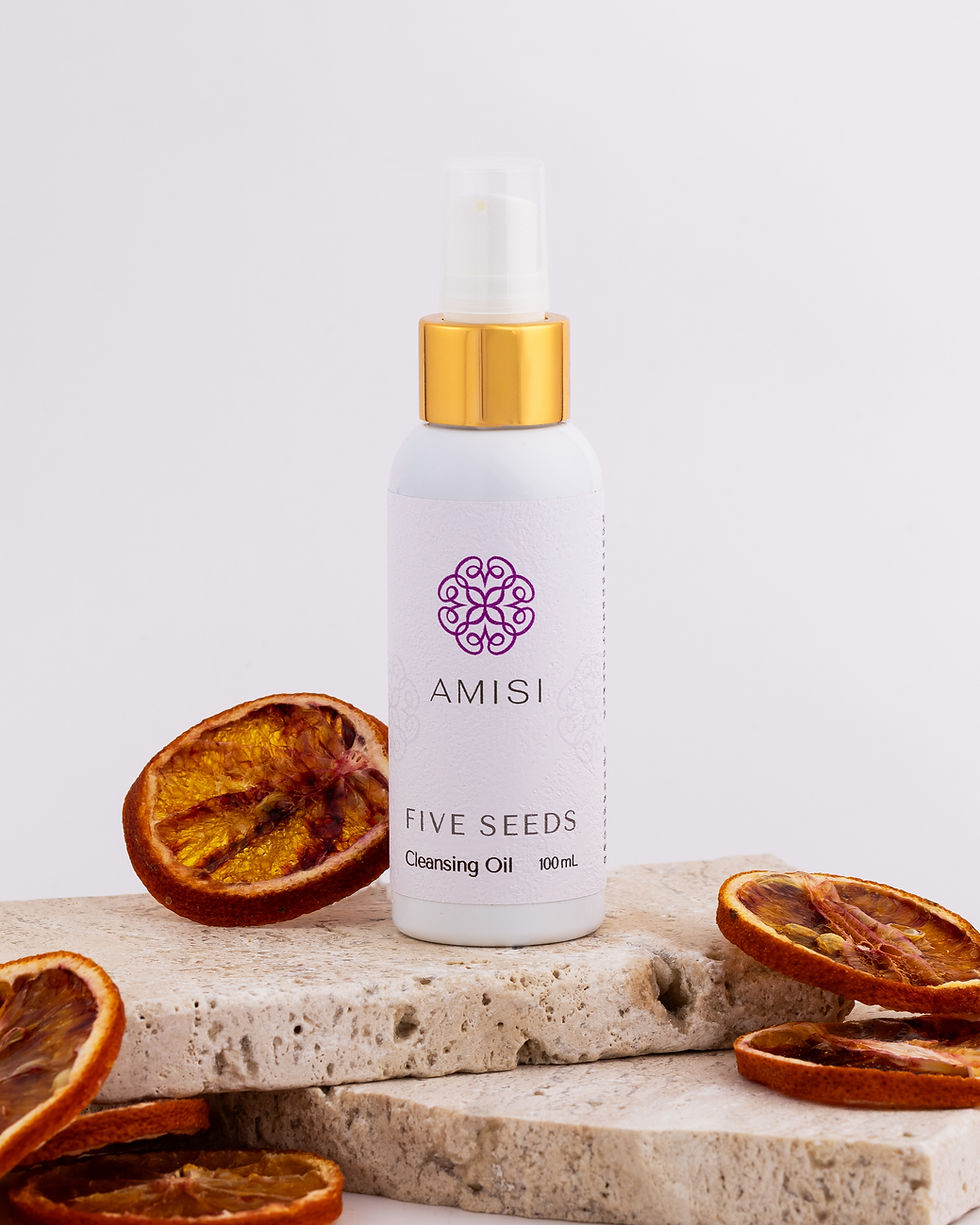
Oil cleansing for mature skin offers a gentle alternative. Botanical cleansing oils dissolve makeup, sunscreen and excess sebum while helping support the skin's natural moisture barrier. When emulsified with water and rinsed away, they leave skin feeling clean, soft and comfortable instead of dry or tight.
Look for cleansing oils containing nourishing botanical ingredients such as jojoba oil, hemp seed oil, raspberry seed oil and papaya seed oil, which help cleanse while supporting dry, mature and menopausal skin.
2. Replenish Moisture Immediately After Cleansing
One of the best skincare habits for menopausal skin is replacing moisture immediately after cleansing. Applying a hydrating mist or facial serum while your skin is still slightly damp helps attract water into the skin before locking it in with a moisturiser.
Ingredients such as rose hydrosol, hyaluronic acid and aloe vera help replenish hydration without feeling heavy or greasy, making them ideal for dry, mature skin.
This simple step can leave skin feeling plumper, smoother and more comfortable throughout the day.
3. Choose a Moisturiser That Supports the Skin Barrier
As skin matures, it often needs more than lightweight hydration. A quality moisturiser should not only hydrate the skin but also help strengthen the skin barrier, reduce moisture loss and improve long-lasting comfort.
Look for moisturisers containing peptides, botanical extracts, shea butter and other nourishing ingredients that help soften the skin while supporting firmness and resilience.
Applying moisturiser morning and evening helps protect mature skin from dehydration, particularly during winter, in air-conditioned environments or whenever your skin feels dry or tight.
4. Nourish With Botanical Facial Oils
A botanical facial oil for mature skin is the final step that helps seal hydration into the skin. While moisturisers supply water and humectants, facial oils help reduce moisture loss by reinforcing the skin's natural protective barrier.
Look for lightweight botanical oils rich in essential fatty acids, antioxidants and naturally occurring vitamins, including cacay oil, saffron extract, bakuchiol and other nutrient-rich plant oils.
Applied as the final step in your evening skincare routine, facial oils help leave dry, menopausal skin feeling softer, smoother and more nourished by morning.

5. Protect Your Skin Every Day
One of the biggest contributors to premature skin ageing is daily sun exposure. Even on cloudy days, UV rays continue to break down collagen and elastin, accelerating dryness, fine lines and pigmentation.
Finish your morning skincare routine with a broad-spectrum SPF 30 or higher sunscreen to help protect your skin barrier and preserve the results of your skincare routine.
Combined with gentle cleansing, hydration, moisturising and nourishing facial oils, daily sun protection is one of the most effective ways to maintain healthier-looking skin through menopause and beyond.
Lifestyle Habits That Support Healthy Skin
Skincare is only one part of the picture. Healthy skin also reflects daily lifestyle habits.
Small changes can make a noticeable difference over time.
Stay Hydrated
Drink adequate water throughout the day to support overall health and skin hydration.
Eat Antioxidant-Rich Foods
Colourful fruits, vegetables, healthy fats, nuts and seeds provide nutrients that support healthy skin.
Protect Your Skin From the Sun
Daily sunscreen remains one of the most effective ways to help reduce premature skin ageing.
Prioritise Sleep
Skin naturally repairs itself overnight, making good sleep an important part of any skincare routine.
Manage Stress
Long-term stress may contribute to inflammation and can affect overall skin health.

A Simple Morning Routine for Menopausal Skin
Cleanse gently if needed.
Apply a hydrating facial mist.
Use a hydrating serum.
Apply a nourishing moisturiser.
Finish with SPF 30 or higher.
Evening Routine to Restore Overnight Hydration
Remove makeup and sunscreen with a gentle oil cleanser.
Apply a hydrating mist.
Apply your serum.
If you like a moisturiser at night, apply your favourite into the skin.
Finish with a nourishing botanical facial oil to help seal in moisture overnight, or you can mix a couple of drops of oil into your cream and apply this way.
An Example Botanical Ritual
If your skin has become noticeably drier during menopause, a simple botanical routine may include:
• A gentle oil cleanser to remove makeup without stripping the skin.
• A rose hydrosol mist to replenish hydration immediately after cleansing.
• A hyaluronic acid serum to attract moisture into the skin.
• A peptide-rich moisturiser to support the skin barrier.
• A botanical facial oil in the evening to help lock in hydration and leave skin feeling soft and nourished.
Frequently Asked Questions
At what age does menopausal skin begin to change?
Many women first notice skin changes during perimenopause, which commonly begins in the mid to late 40s. Others notice changes after menopause when hormone levels have stabilised.
Why does menopause make skin so dry?
As oestrogen levels decrease, the skin produces less natural oil and retains less moisture. The skin barrier becomes weaker, making it easier for water to escape, which often leaves skin feeling dry, tight and uncomfortable.
What skincare ingredients are best for menopausal skin?
Look for hydrating and barrier-supporting ingredients such as hyaluronic acid, rose hydrosol, peptides, botanical oils rich in essential fatty acids, antioxidants and vitamin E. These ingredients help improve hydration and support healthier-looking skin.
Should I use a facial oil during menopause?
Facial oils can be especially beneficial for menopausal skin because they help reduce moisture loss and support the skin's natural protective barrier. Applied as the final step in your evening routine, they help lock hydration into the skin overnight.
Can menopause cause sensitive skin?
Yes. Many women notice their skin becomes more reactive during menopause. A weakened skin barrier can increase sensitivity to harsh cleansers, fragrances and environmental factors. Choosing gentle botanical skincare may help minimise irritation.
Should I change my skincare routine during menopause?
Often, yes. A routine that worked in your 30s may no longer provide enough hydration or barrier support. Switching to gentler cleansers, richer moisturisers and nourishing facial oils can help keep mature skin comfortable and hydrated.
Is sunscreen still important after menopause?
Absolutely. Daily sunscreen remains one of the most effective ways to protect collagen, reduce premature ageing and help prevent pigmentation. Even on cloudy days, UV exposure contributes to skin ageing.
Can botanical skincare help menopausal skin?
Botanical ingredients cannot stop the hormonal changes of menopause, but they can help support the skin by improving hydration, reinforcing the skin barrier and reducing moisture loss. A simple botanical routine can leave skin feeling softer, calmer and more comfortable.
Looking for a simple botanical routine?
Our collection has been carefully created for dry, mature and menopausal skin.


Comments